
Studio Headshots
Part One: A Trial of Cinematic Headshots Indoor
Written on the 17th of January, 2023
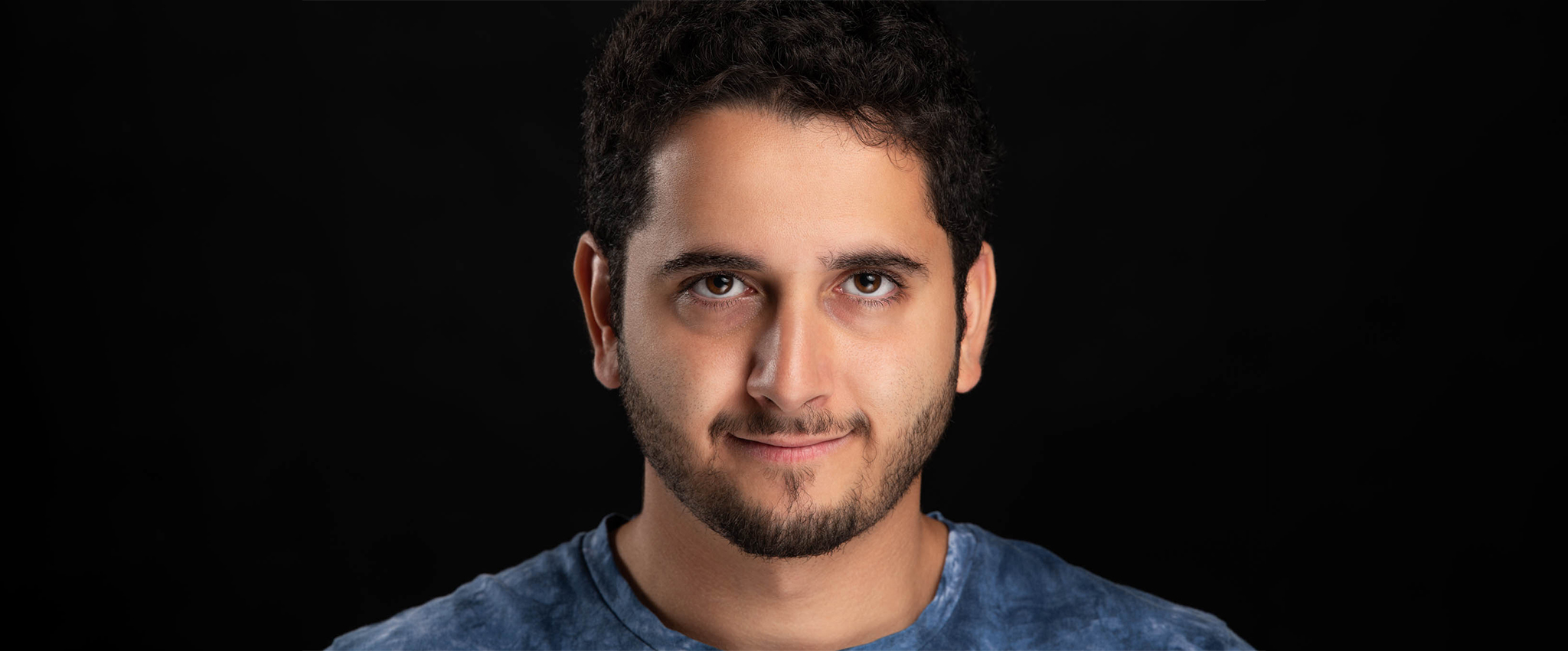
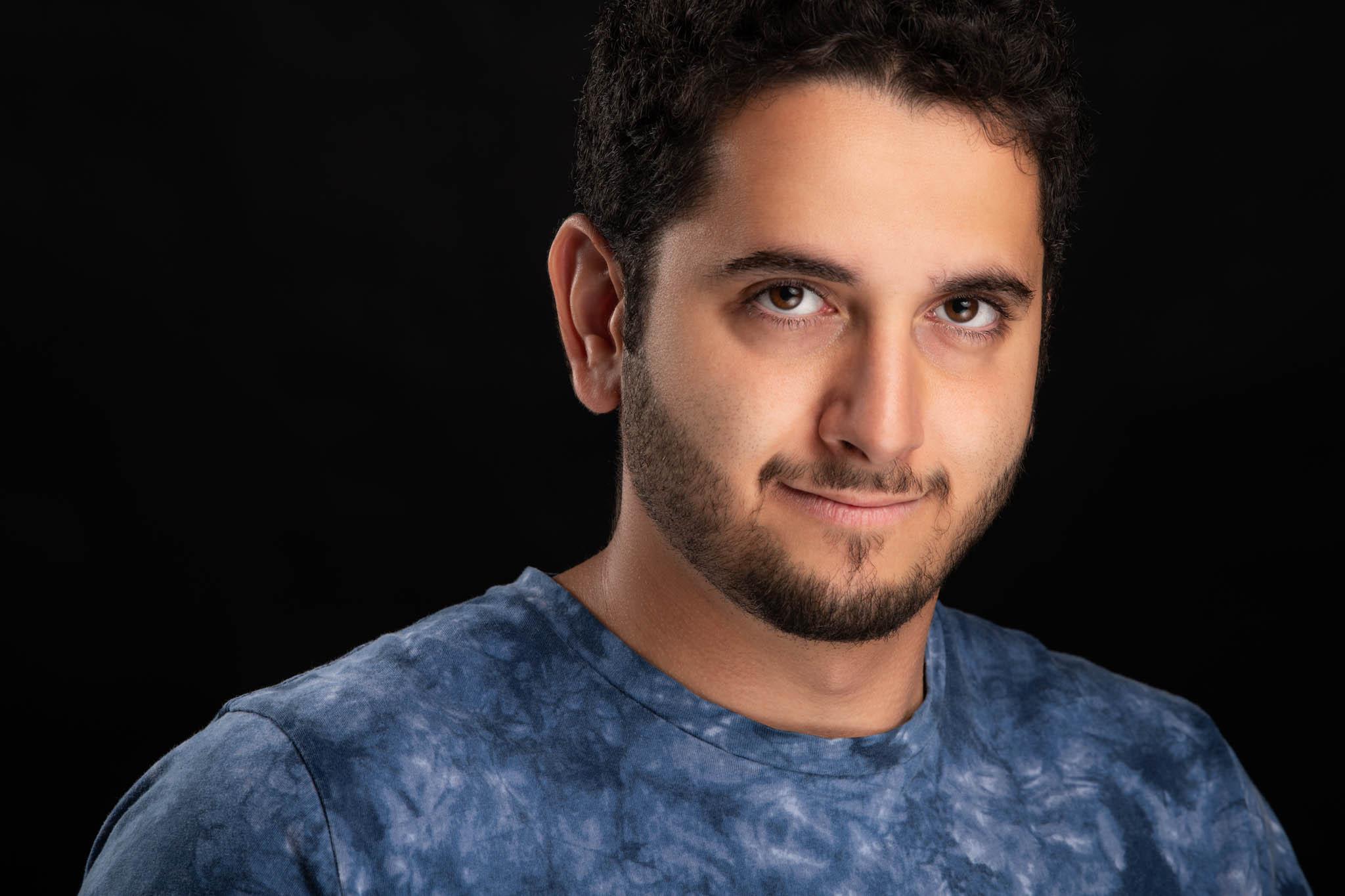
My cousins and I decided to gather at my home for a little creative session, and I invited them to model for headshots. Thankfully, they were excited about the idea and agreed to participate. I kicked things off with my cousin, Yousef AlMutawa.
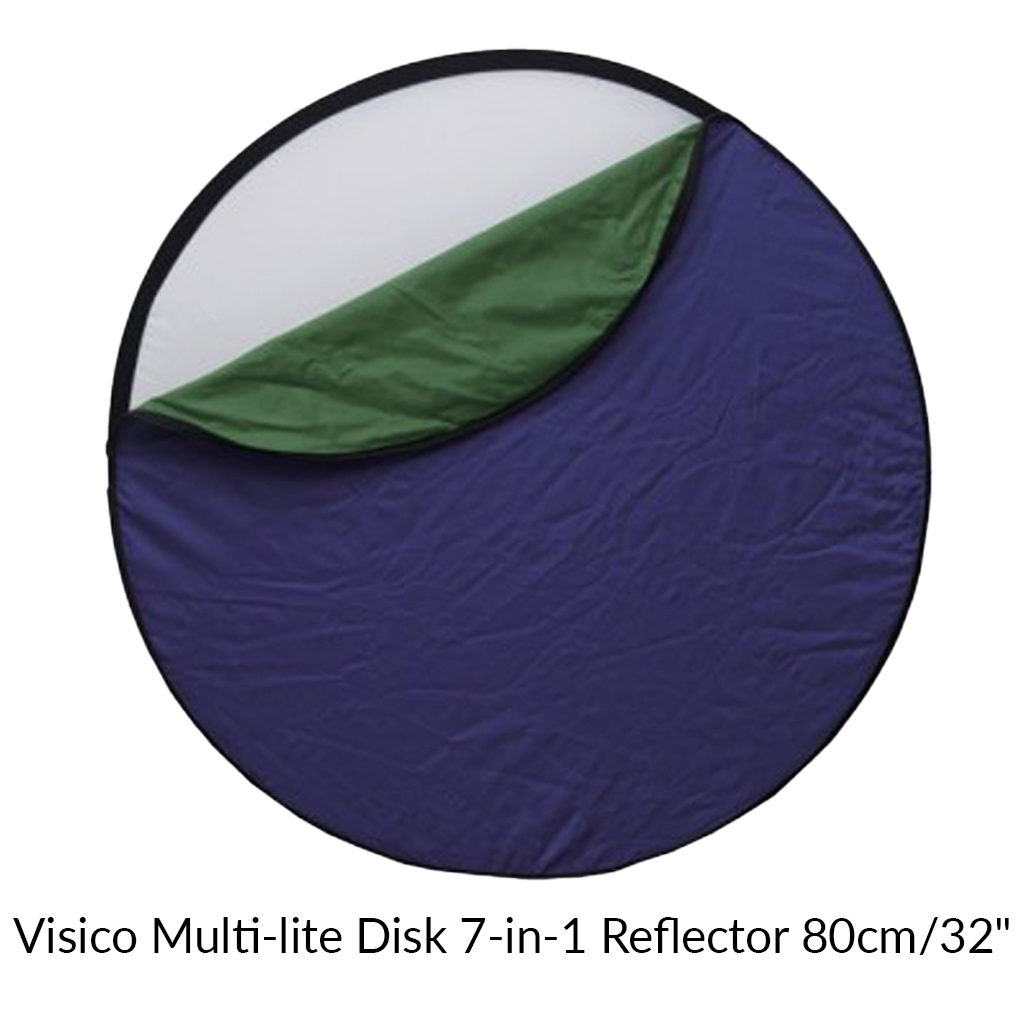
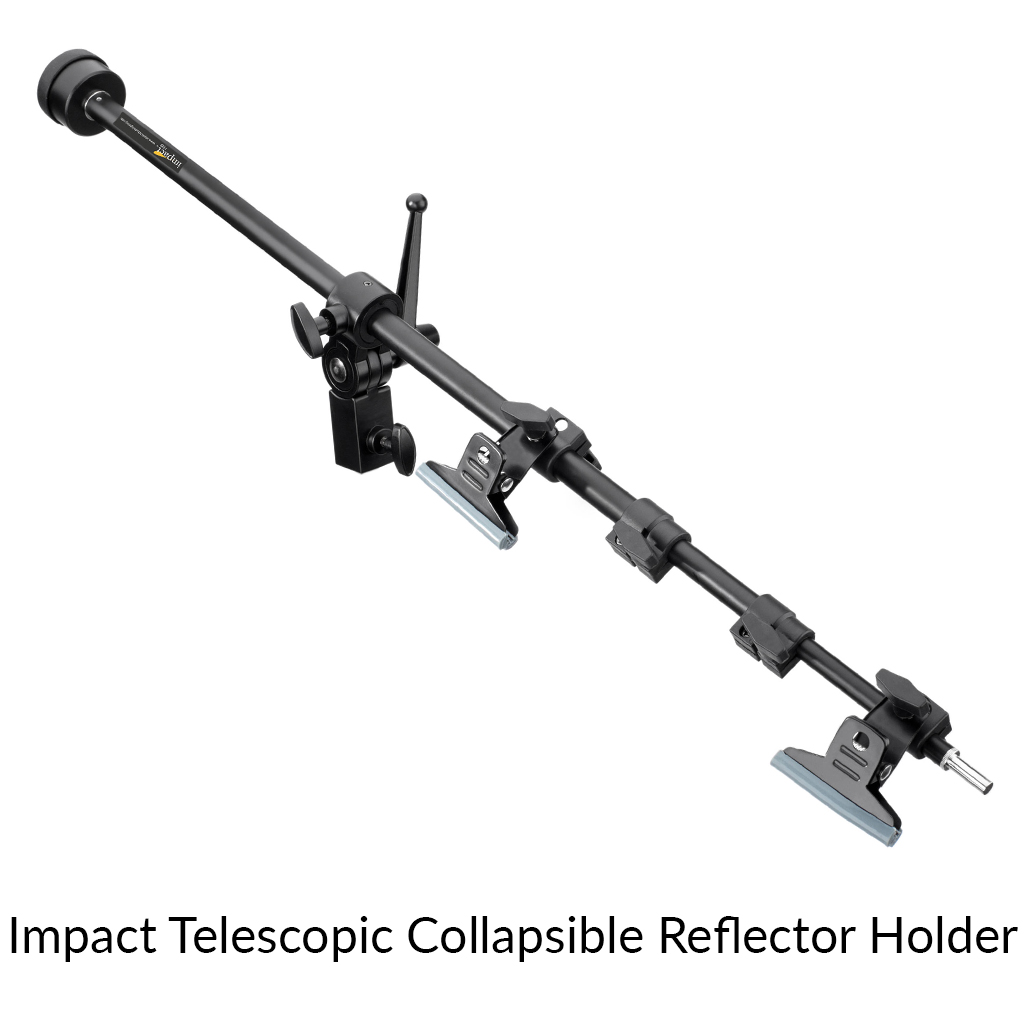
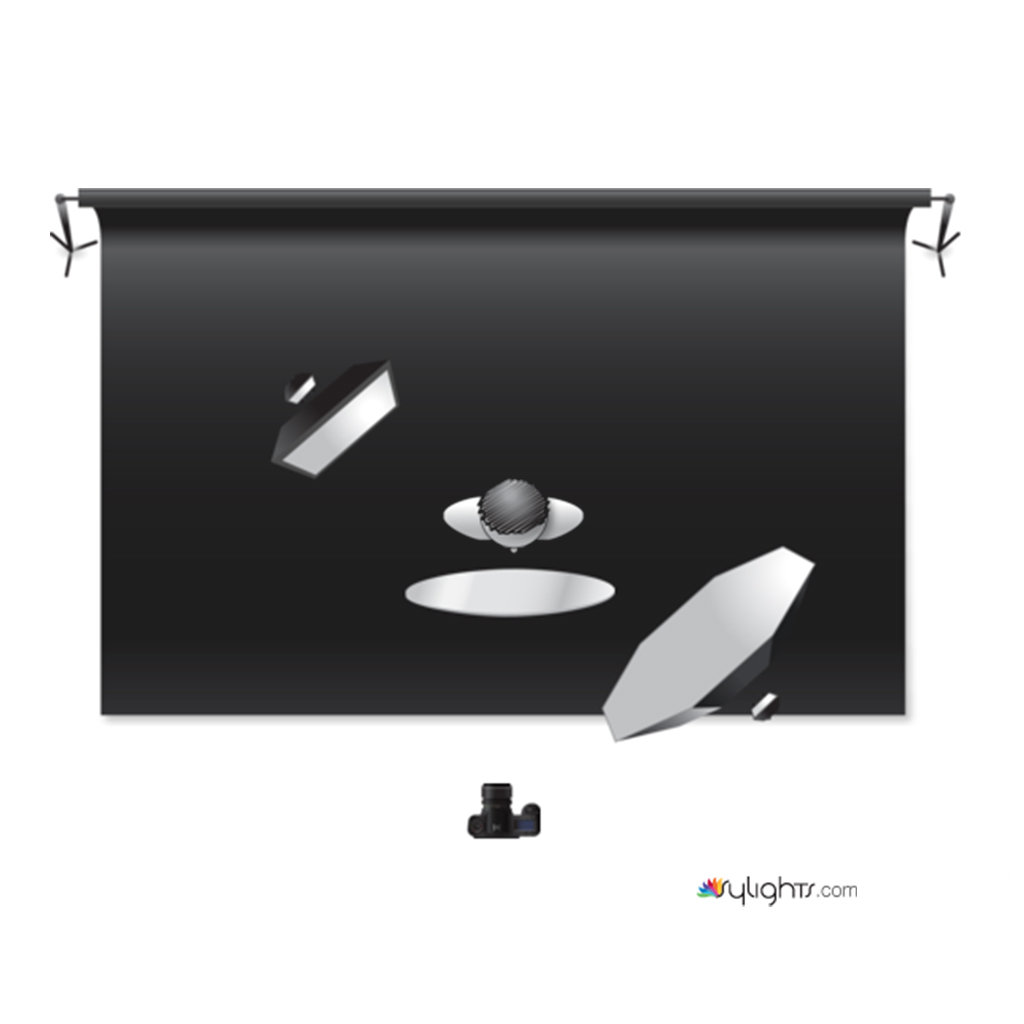
In a previous post, I touched on the hallmark features of cinematic headshots, which help to bring a powerful visual impact. One key characteristic is the way the background is beautifully blurred. This technique isolates the subject and draws the viewer's attention directly to their face. The lighting setup is equally essential, typically comprising a single key light directed at the subject, paired with a rim light positioned at 180 degrees to create depth and dimension. To enhance the look further, I used a reflector to lift any shadows that may fall under the chin and to add a captivating catchlight in the eyes, making them pop. The composition mainly consists of the head and shoulders, with the top of the head cut off.
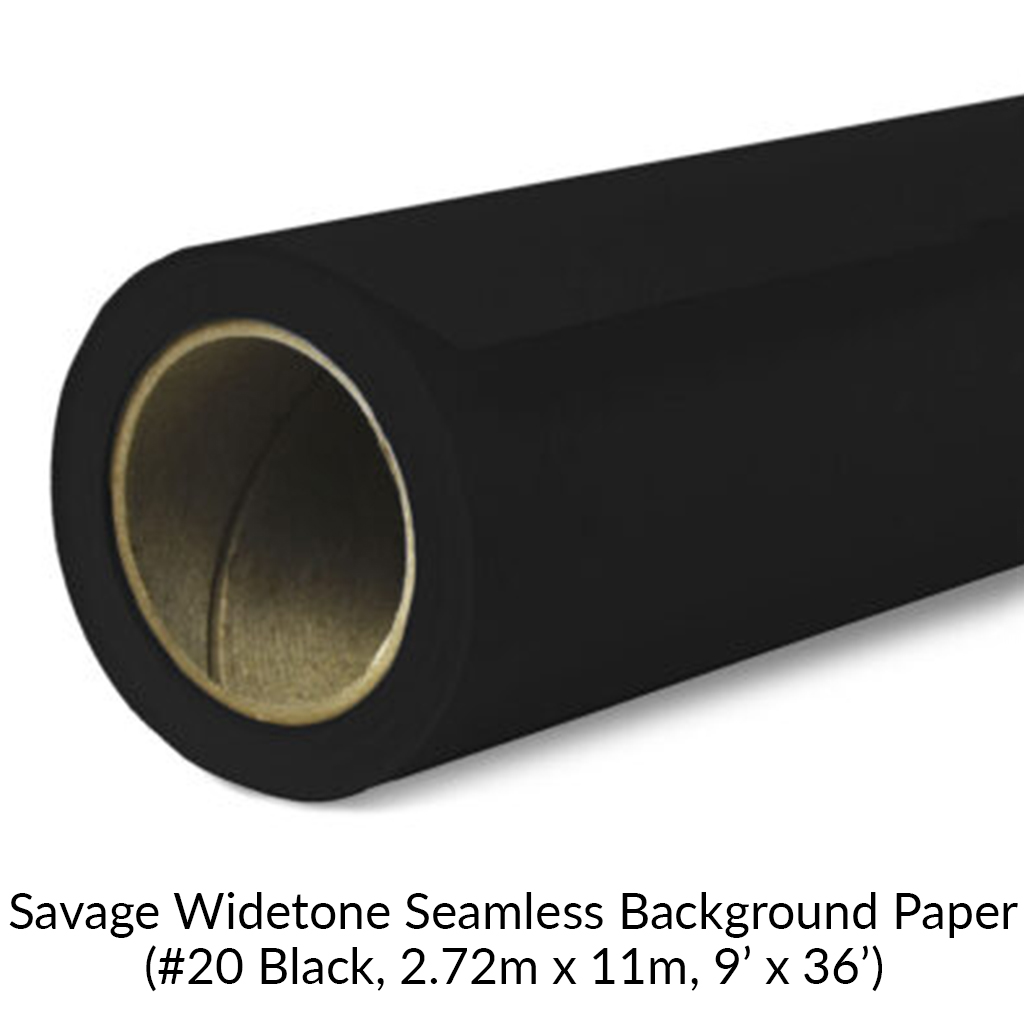
For this particular shoot, I aimed to create cinematic headshots in my home studio, utilizing a seamless black backdrop. While the norm for cinematic headshots often involves vibrant and colorful backgrounds, I decided to experiment with a black background to emphasize the subject. I maintained the familiar lighting setup that I've applied in previous shoots to preserve the cinematic feel.
However, I chose to take a different approach with the retouching this time. Unlike my other cinematic portraits, I limited the editing to only removing noticeable blemishes and distractions, focusing on preserving the natural look of Yousef while still enhancing his features. This decision allowed for a more authentic representation in his headshot, aligning with my vision for the project.



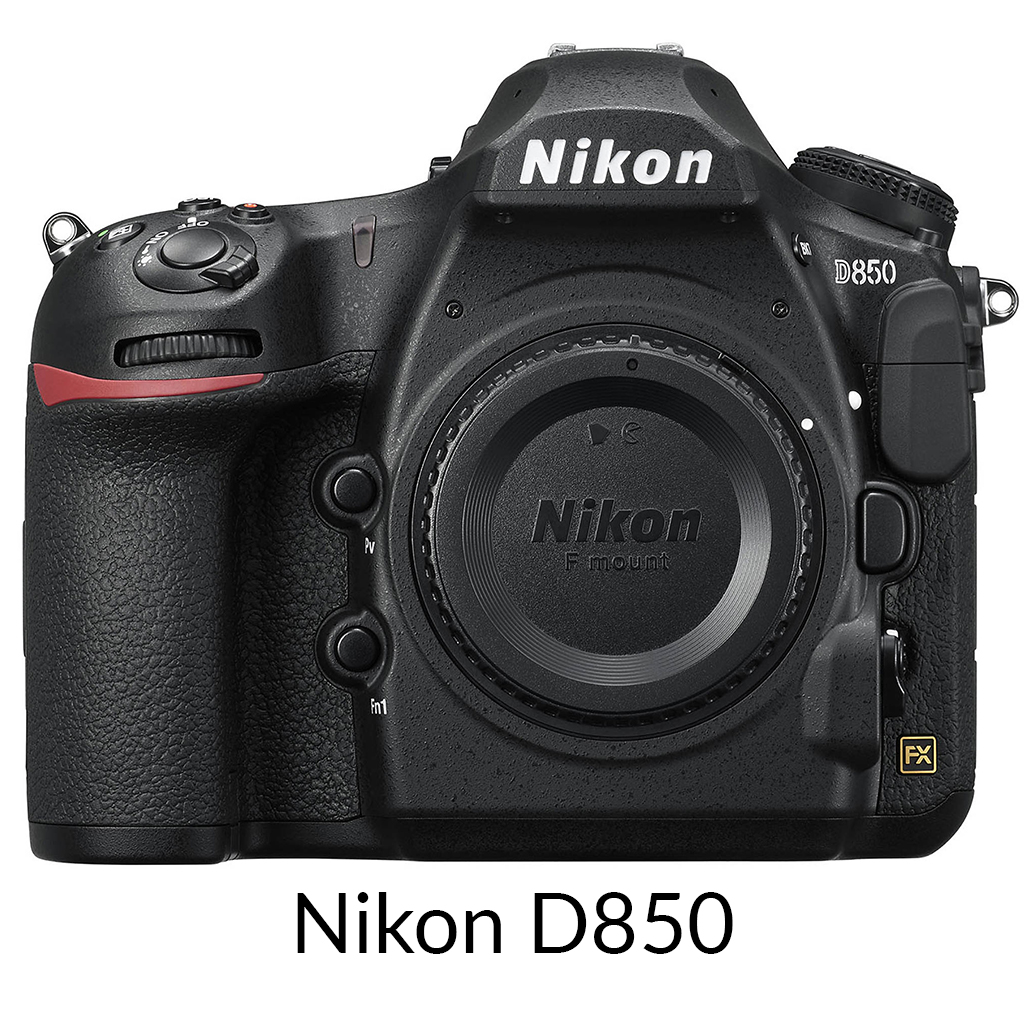
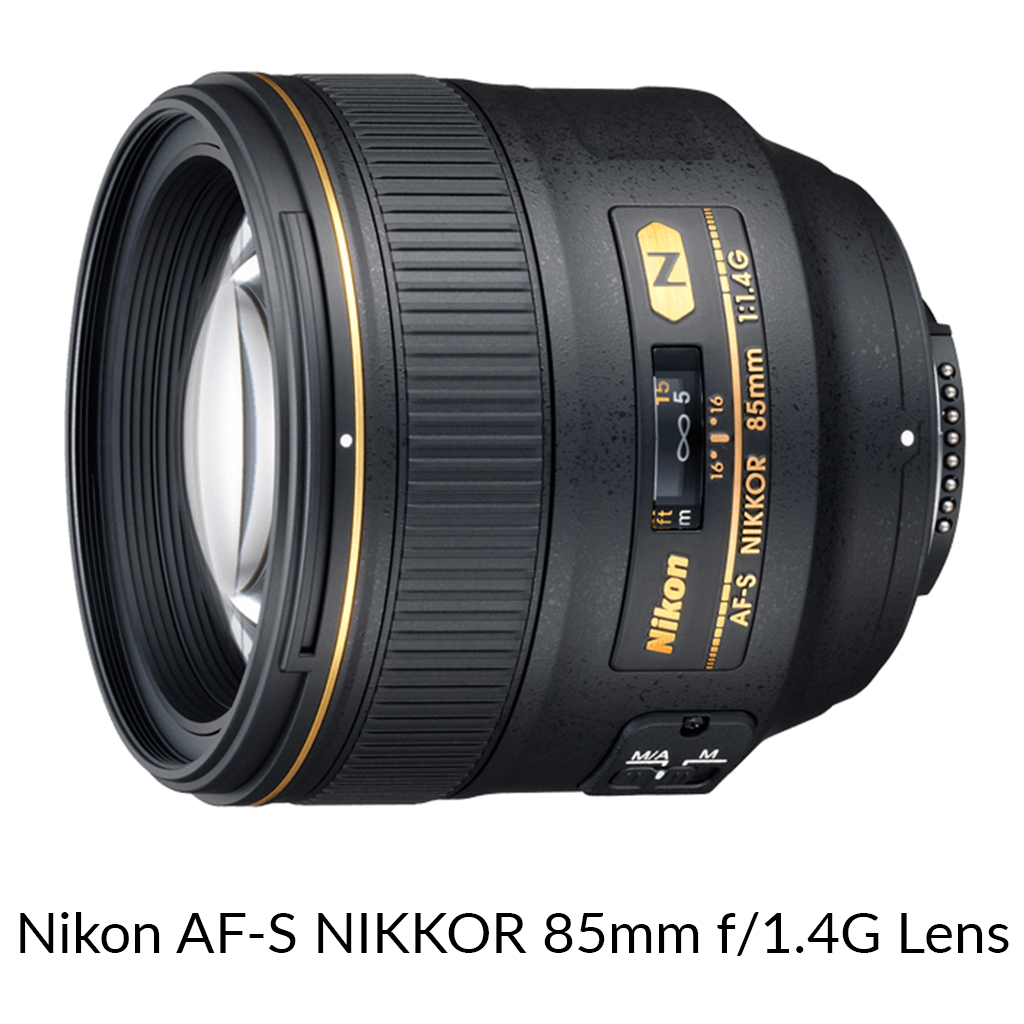
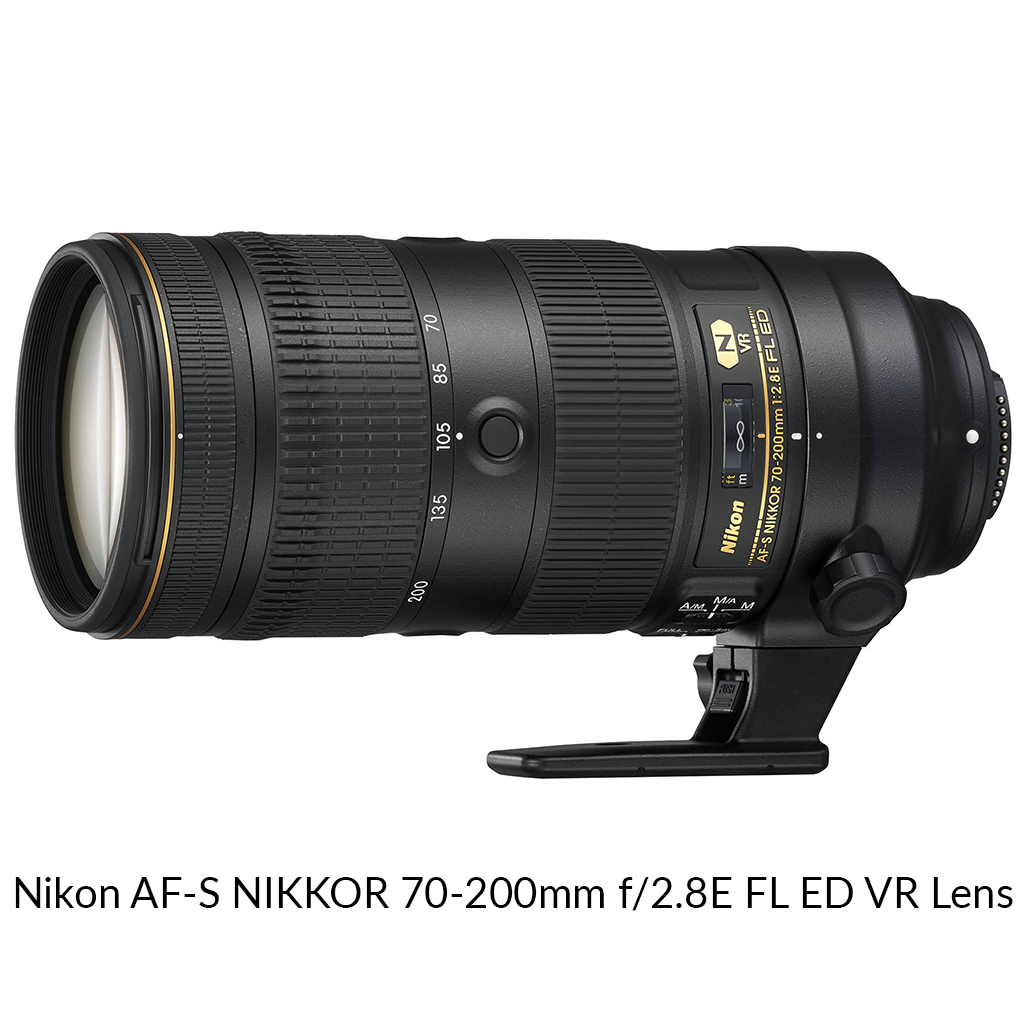
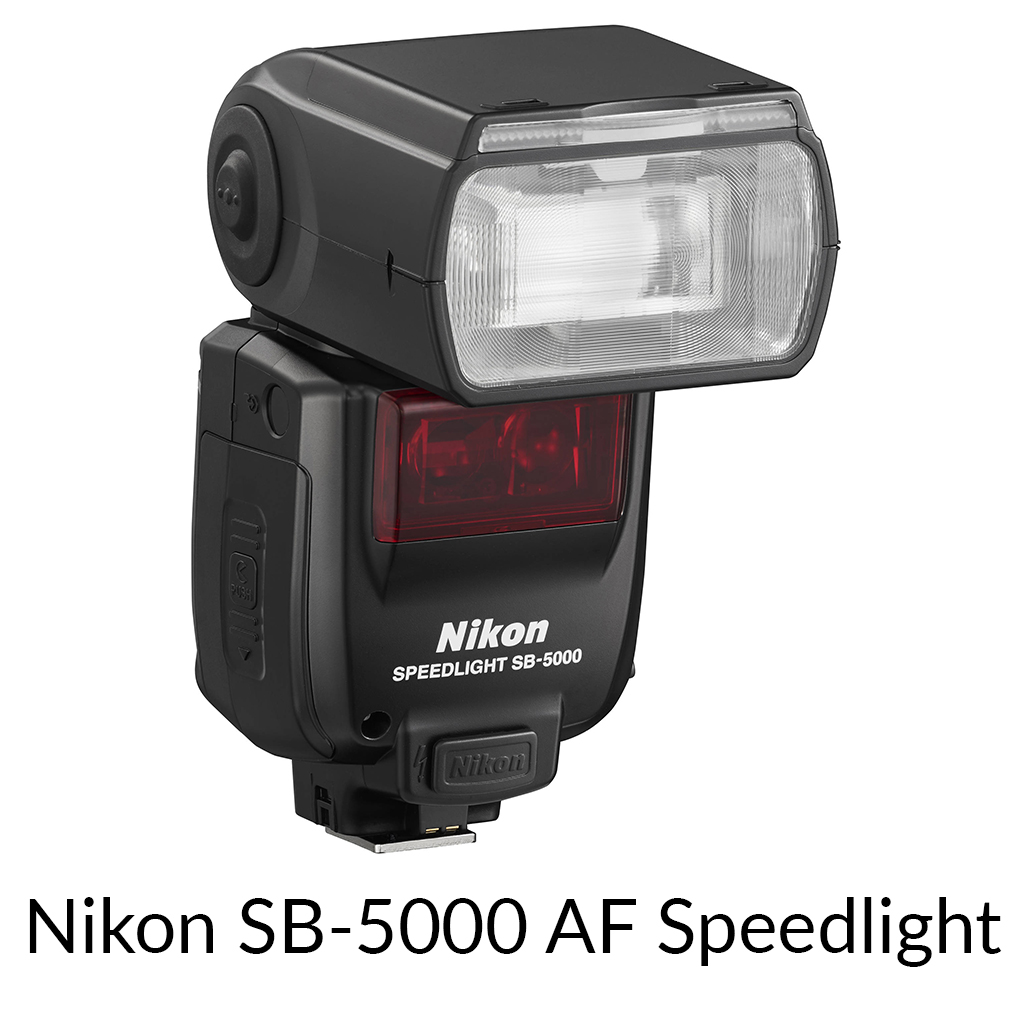
The Gear I Used